· 2 min read
Indicative vs Subjunctive Mood in Spanish
Notes during my Kata for Indicative vs Subjunctive. Reality vs non-reality, the doubt trap and much more

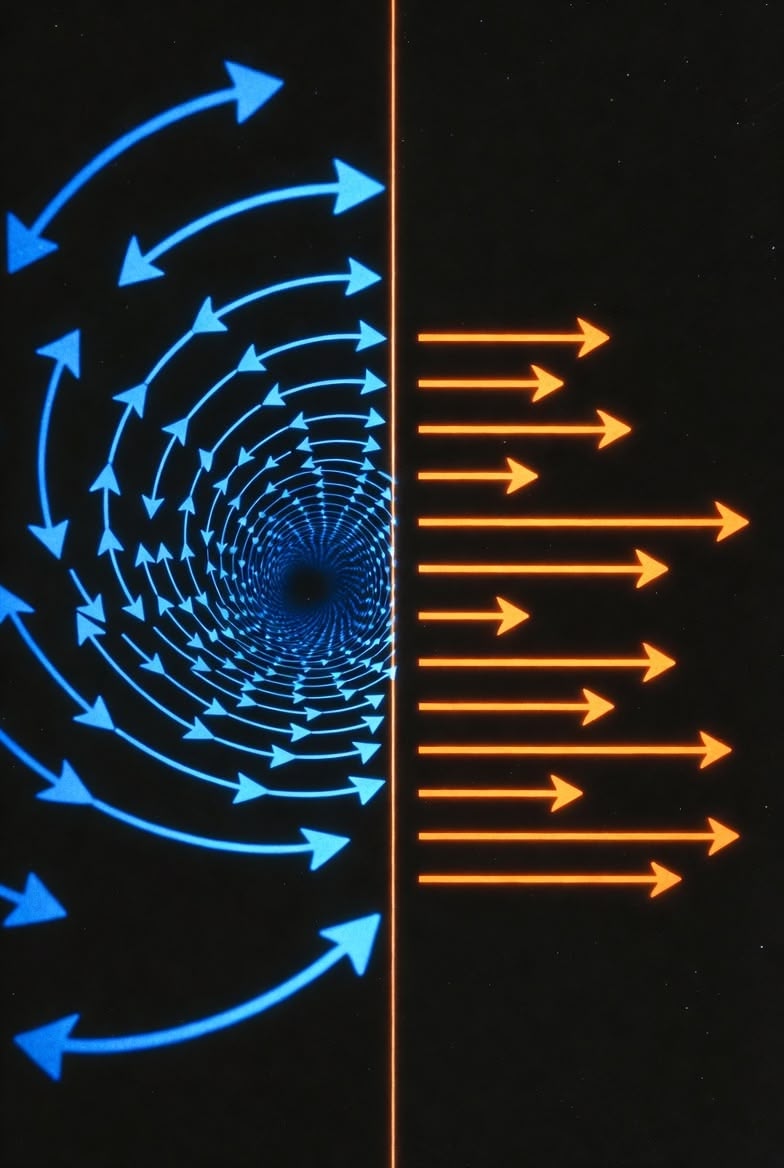
Reality vs Non-reality
- Indicative - Stating a fact, confidence of truth, reality
- Subjunctive - Non-reality, doubt, necessity, possibility, suggestion, wish, etc.
The confidence vs doubt trap
There is an interesting case to consider that becomes a trap when dealing with non-reality. The confidence vs doubt trap. Let’s look at the following below examples.
Creo que vs No creo que
Since both are essentially not tied into reality, the difference here isn’t about reality vs non-reality but rather confidence vs doubt.
Creo que - Confident that it’s true, this means it would be indicative No creo que - Doubtful that it’s true, this means it would be subjunctive
In this case with the verb poder, you would do the following:
- Creo que ella
puede - No creo que ella
pueda
Emotional triggers
Let’s take a look at the following:
Me sorprende que tú... -> It surprised me that you...When it comes to indicative vs subjunctive, the difference mainly lies in stating the fact vs the feelings as a result of the fact.
If I am surprised that an action happened, this would be an emotional response to an action that happened.
This would be subjunctive.
If I make sentence using this, it would be something like:
Me sorprende que tú estés usando ese tipo de ropa.It surprised me that you are wearing that type of clothing.
To sum up
| Trigger | Example | Why Subjunctive |
|---|---|---|
| Desire | quiero que… | Action is wanted, non-reality |
| Doubt | Dudo que… | Action is uncertain |
| Disbelief | No creo que… | Doubt on reality |
| Surprise | Me sorprende que… | Emotional response to reality |
WEIRDO Mnemonic
| Letter | Category | Example Triggers |
|---|---|---|
| W | Wishes | quiero que, deseo que, ojalá |
| E | Emotions | me sorprende que, me alegra que |
| I | Impersonal expressions | es necesario que, es importante que |
| R | Recommendations/Requests | recomiendo que, sugiero que |
| D | Doubt/Denial | dudo que, no creo que |
| O | Ojalá | ojalá que |
Ojalá — “if only” / “I hope” / “God willing.” Arabic origin (inshallah). Always triggers subjunctive because it expresses a wish for something that isn’t (yet) real.
Example: Ojalá que ella venga. — If only she would come.